When the Culture Fades: Rebuilding the Heart of Small-Town Sport
ST. LAWRENCE, NL – Sports dynasties are never meant to last forever. They rise, they dominate, and eventually they fade as generations change. That much is expected. What is far more troubling is not the loss of championships but the loss of the culture that made those championships possible in the first place.
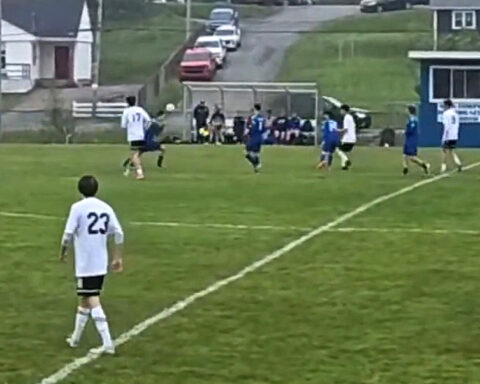
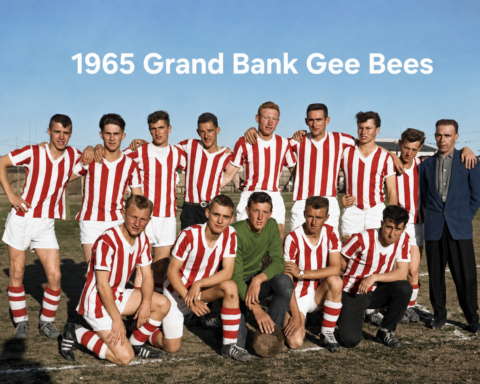
I come from a small town that once lived and breathed soccer. With a population of roughly 1,200 people, we were known, proudly, as the soccer capital of Canada based on our success per-capital. Provincial banners, national titles, and a long lineage of talent defined who we were.
Today, that identity is barely recognizable.
For years, I believed the explanation was simple: population decline and migration. Fewer families meant fewer players. It made sense on paper. But after returning home and spending the past year observing more closely, I’ve come to a different conclusion.
The issue isn’t just numbers. It’s culture.
I saw it most clearly in my son’s age group. There are still plenty of capable, athletic kids in this town. But many of them simply don’t play anymore. That’s a reality I struggled to understand at first.
Because when I was growing up in the 1990s, coming through that same program, not playing wasn’t really part of the conversation.
No one forced us. But it was understood. It was expected. Soccer mattered, not just as a sport, but as part of who we were. From a young age, we were taught that when we stepped onto the field, we were representing something bigger than ourselves. We carried the pride of those who came before us.
Somewhere along the way, that message stopped being passed down.
And it didn’t happen overnight. It happened gradually. A missed opportunity here. A forgotten tradition there. A shift in priorities. A weakening of standards. Until, over time, the foundation that once supported excellence began to erode.
What’s left now is not just a weaker program — it’s a quieter one. A program without the same sense of identity, urgency, or pride.
And this isn’t unique to one town. Across the country, many once-dominant programs, whether in soccer, basketball, or other sports, have followed the same path. Communities that thrived through the 70s, 80s, 90s, and early 2000s are now asking the same question. What happened?
More importantly — can it be fixed?
I believe it can. But it starts with something simple, conversation. We need to tell the stories again.
It can be fixed
Young athletes need to hear about the teams that came before them, the sacrifices, the rivalries, the championships, the heartbreaks. They need to understand that putting on that jersey once meant something deeply important to the town.
Culture doesn’t survive on its own. It has to be taught, reinforced, and protected.
We also need to remind kids what sport truly offers beyond the scoreboard. The friendships. The camaraderie. The shared struggle. The memories that last decades. These experiences shape people. They build resilience, accountability, and connection in ways few other things can.
That message has to become visible again, in our schools, in our communities, and in our everyday conversations. And perhaps just as importantly, we need to inspire them.
Let them see what passion, belief, and teamwork look like. Whether it’s through storytelling, community events, or even something as simple as watching powerful sports films like Friday Night Lights, Coach Carter, or Remember the Titans, young people need to feel what it means to be part of something bigger.
Because before you can want something, you have to believe it’s possible.
Right now, too many kids are being asked to commit to something they’ve never been shown the value of. And too many communities are wondering why participation is declining without asking whether they’ve done enough to preserve what made those programs meaningful in the first place.
If we want to rebuild what’s been lost, we have to start there. Not with facilities. Not with funding. Not even with wins. With meaning.
Because dynasties aren’t built on talent alone. They’re built on culture.
And culture, if we’re willing to fight for it, can always be rebuilt.
~~~
Help support The Sports Page by Stray Light Media.